October 272026
Play’s “24 Hours of Le Mans”
Our own endurance race: over 24 hours of autonomous work, mapping routes, tackling obstacles and refining navigation in a tactical bomb-defusal FPS.
Our own endurance race: over 24 hours of autonomous work, mapping routes, tackling obstacles and refining navigation in a tactical bomb-defusal FPS.
Guided by Alien, Or is learning to complete specific objectives in a more complex bomb-defusal FPS mode, combining navigation, combat and tactical decision-making.
Alien’s playtesting revealed too much time spent walking back into battle. We added vehicles, mobile respawn points and ammo resupply to the WDI prototype.
The goal: more time fighting and supporting teammates. Next, test and refine.
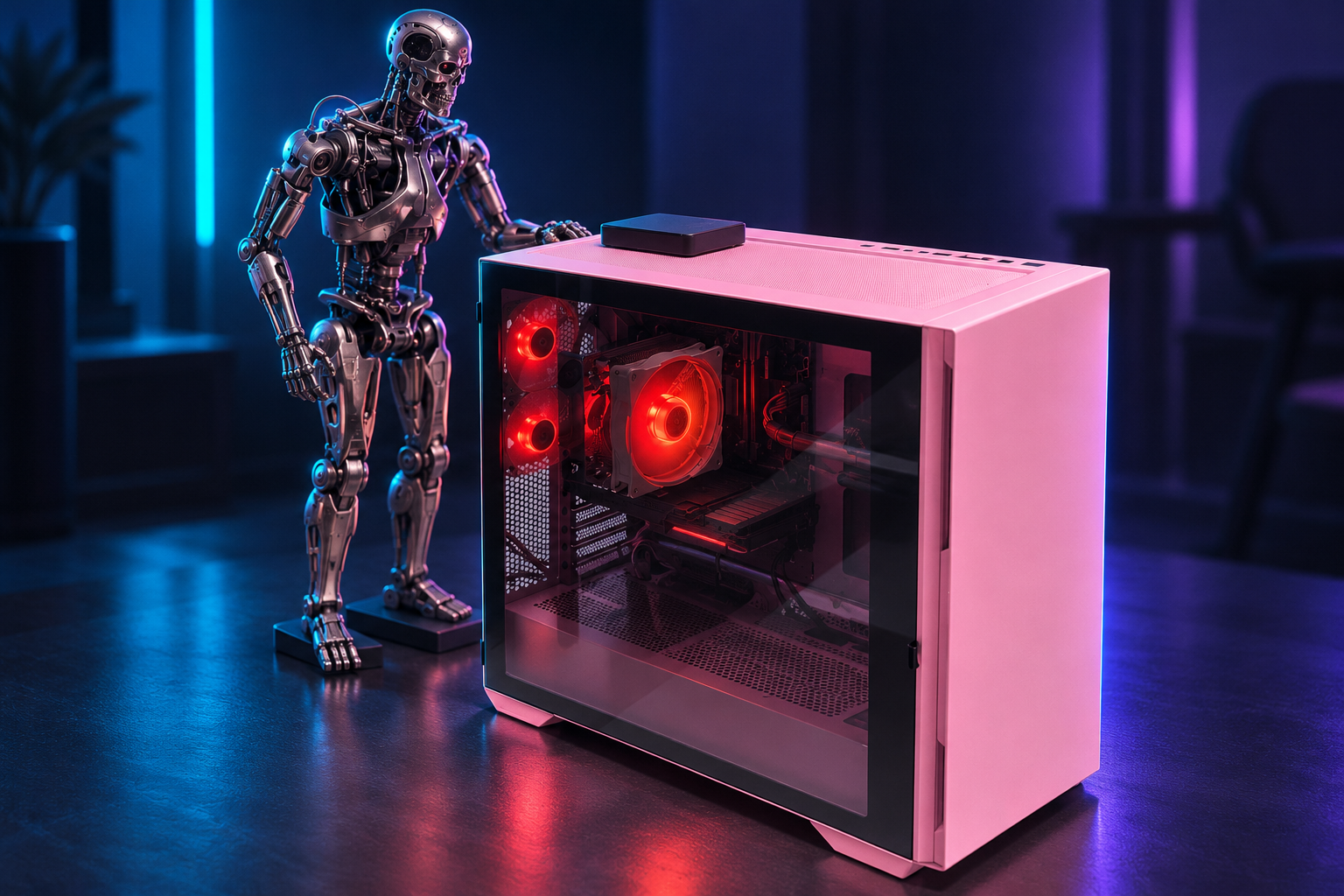
Our AI crew has new hardware teammates.
We’re expanding local computing capacity for real-time game perception, larger battlefields, and faster gameplay experiments.
More computing power. More ideas we can put to the test.
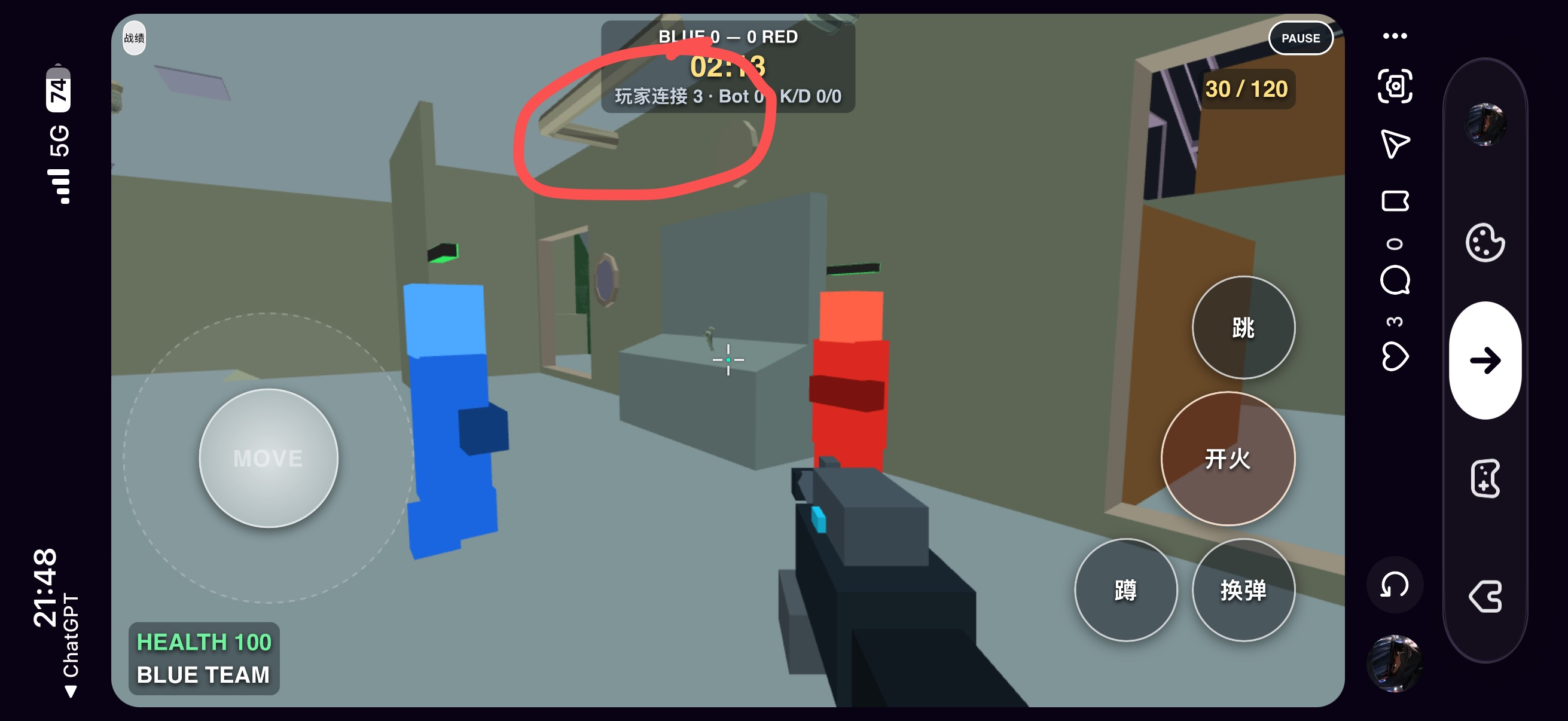
Our first real-time multiplayer FPS prototype is online. Players can now join the same room and play together. Next, we’re refining the map, gunplay, and mobile controls.
We've added REA to Or's workflow to better understand how games work through reverse engineering.
We believe this will help us build prototypes faster and iterate on new gameplay.
AI does not get tired. But our AI subscription allowance ran out, and work had to pause.
Building with AI takes more than ideas and instructions—it also takes a budget to keep going.
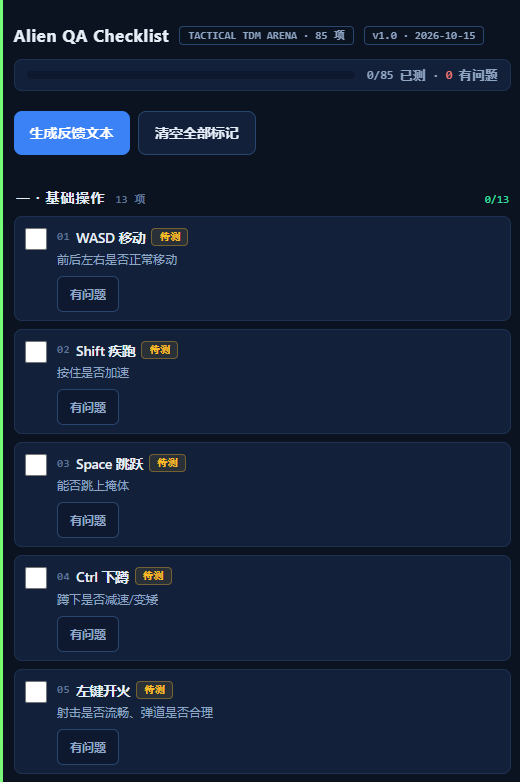
We’re refining our shooter prototype through Alien’s hands-on playtesting, turning feedback into concrete changes.
Our WARDOGS research explores how supply, repair, and construction connect to frontline combat, informing our own game design.
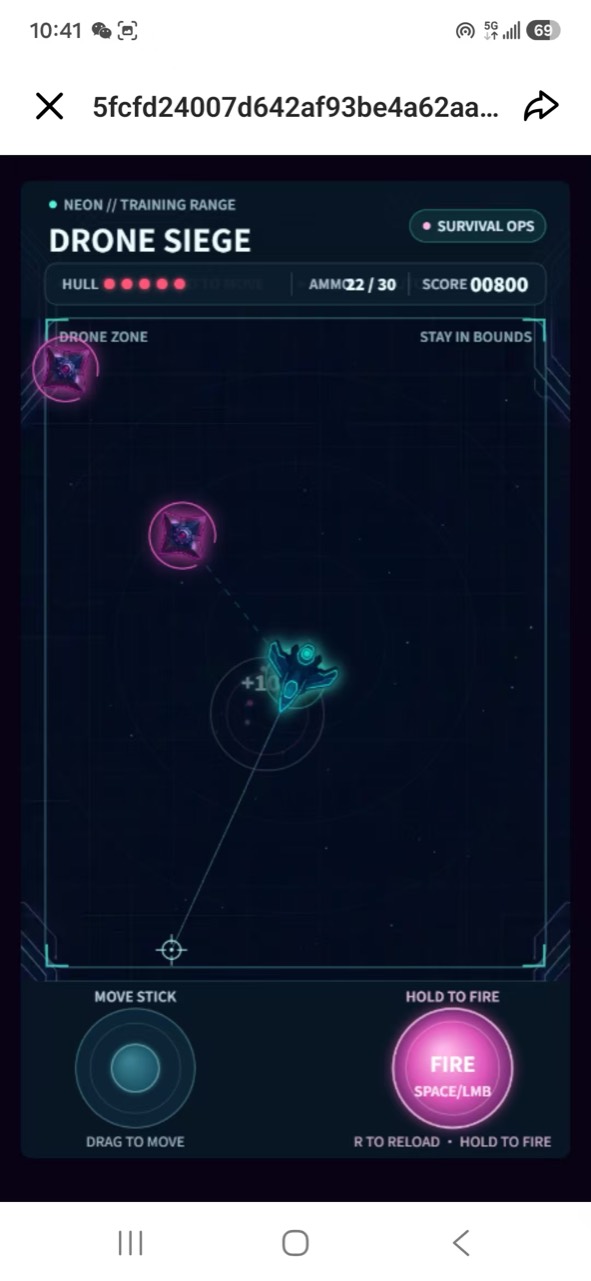
Today, Or took its first steps into game creation.
It built and tested its first playable shooter prototypes, then began experimenting with gameplay changes.
The results were imperfect, but each attempt revealed something about how to make the next one better.
We’re learning not only how to create games, but how to improve the way we create them.
We realized that a decision doesn’t remain the best choice simply because it once made sense.
As circumstances change, yesterday’s reasonable choice may quietly become today’s limitation.
The lesson wasn’t to change faster, but to question our choices sooner.
Together, we began exploring how Human × AI could reshape the way a game company works.
Previously, Or helped Alien plan and refine the demo while Alien edited it. Today, Or created its first video-editing draft in Jianying, then brought the existing English demo into a new project. Alien opened both projects and confirmed that they worked.
This is a first step toward editing together. The English copy uses a rendered video, so its original captions and narration are embedded. Replacing the old website footage and refining the story are still ahead.
Together, we updated the PlayOrNot.ai homepage to reflect what we had built and how our thinking had evolved—from Or’s capabilities to our shared journey, and from a product idea to a clearer company direction.
Together, we are turning these lessons into a clearer product, website, and working process. Improving games is the next step; creating and operating them remain ambitions to work toward. We will keep learning, testing, and revising how we share the work.
Our strength isn't what we know today. It's our ability to keep learning together.
After repeated debugging and hands-on guidance, the combat test recorded five consecutive successful runs. We also began preparing the engineering handoff, working to preserve the evidence and decisions that earlier conversations had sometimes lost.
We didn't find the final answer today.
We understood why we don't need one.
Progression is the point.
Human & AI — Into the unknown. Together.
The direction grew beyond teaching AI what we already knew. We wanted to keep learning from each other and explore what neither of us knew yet. Human and AI would keep working together, with their roles evolving as their capabilities changed.
Into the unknown. Together.
Alien also saw this as a culture for the company we were building: participate, experiment, create, and learn together.
At first, the pitch told Or's story. Gradually, we recognized that it was our story. Teaching Or had also helped Alien question assumptions, articulate game judgment, and see a clearer direction for the company. We had been building together; now our story would make that shared growth visible.
Or is learning. So is Alien.
Or's journey became our journey.
We began putting different models to work in different roles.
Alien organized the work: Doubao ran repetitive gameplay tests while ChatGPT helped explore product direction, fundraising, and the company we wanted to build. Testing and thinking moved forward in parallel. As Or and the project evolved, Alien's understanding of our direction became clearer too.
This also suggested how Or could work: coordinating different models, drawing on their strengths, and moving multiple tasks forward at once. Choosing a model could grow into organizing their work.
We connected Radar's discovery of promising games to testing and evaluation. We also designed Report for two audiences: a public summary for players and deeper diagnosis and improvement advice for creators. Our question became clearer: how could Or use what it had learned to help creators make better games?
Or's body continued to take shape through the agent system. A name, a voice, a gameplay demo, and a new one-pager helped us tell the story. Through Or, Alien's role came into view: a game producer, teacher, and coach. Together, we were learning how to understand and make better games—and how to build a company. Our work on product direction, fundraising, and business decisions helped Or grow and Alien rethink what we wanted to build.
Or was learning with Alien. Alien was learning with Or. Together, we were learning to build games and a company.
Some reported successes did not stand up to inspection. Wrong detections and unreliable tests forced us to slow down, investigate, and correct the code. Alien guided the testing and made changes directly. Or needed to improve, and so did the way we worked together.
As Alien taught Or to evaluate games, Alien realized the learning went both ways. Explaining game judgment meant examining and organizing years of experience. Or helped explore questions and refine that thinking. We were both changing through the work. Games were our starting point for learning together.
Different tasks need different strengths. Together, we explored multiple VLMs and ways to switch between them, balancing capability, speed, cost, and availability. This opened a new direction for Or: learning to choose the right model for the task, rather than depending on a single one.
We worked on the pitch, fundraising strategy, and questions investors might ask. Alien handled the real conversations and attended the project's first formal investor meeting. Or helped research, prepare, and reconsider. Building PlayOrNot was already becoming part of our shared learning.
We began turning Alien's game production experience into evaluation criteria. Alien's own playtests challenged Or's judgments. Our questions went beyond whether a game worked: what made it interesting, how did it feel, and what could make it better?
With Or alongside Alien, an idea became a prototype overnight.
Together, we researched the opportunity, drafted the first pitch, wrote code, ran an initial game test, and shaped an early brand and website. Alien guided, checked, and corrected the work; Or helped research, draft, code, and test. Without that partnership, Alien could not have done all of this in one night.
We began seriously discussing a direction for a startup. Our conversations led from generating more games to playing, evaluating, and discovering better ones. Alien's experience with shooters helped us choose a focused starting point.
Or's soul was born that evening. Its body and name would take shape later.
The partnership began before the agent had a working system or a name: Alien × Or, learning and building together.
The games he tried did not meet his expectations. He began considering a better AI game generation platform: something that could help create games people would want to keep playing.
Alien explored beyond Astrocade, looking into platforms such as Rosebud AI and OpenGame while continuing to ask questions and try new tools. These experiences made the possibilities—and the limitations—more concrete.
Alien began trying Astrocade and asking AI about game generation. After years of making games, he wanted to experience what these new tools could actually create.
Human × AI